
Common Security Risks for Delaware Homes & How to Prevent Them
How Small Security Gaps Can Put Your Home at Risk
Ask most homeowners how they protect their property, and they'll mention alarm systems, security cameras, or smart home gadgets. Those tools matter, but many of the biggest risks facing Delaware homes are far simpler than that, and far easier to miss. Break-ins and unwanted access usually trace back to everyday gaps: an old lock that's never been replaced, a key nobody can account for, a dark corner by the side door, an entry point that just never gets checked. These small issues build up slowly, so it's easy to live with them for years without noticing. Whether you own a home in Wilmington, Newark, Dover, Middletown, Lewes, or along Delaware's coast, a little proactive attention goes a long way toward protecting your family, your belongings, and your peace of mind. Knowing what to watch for is the first step.
Unknown or Unauthorized Key Holders
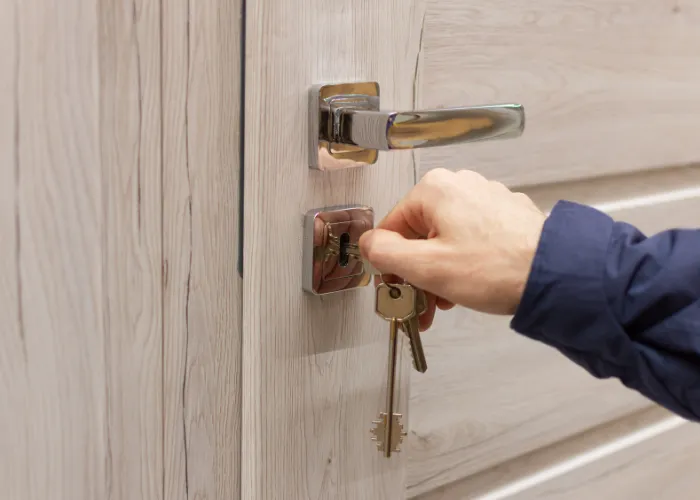
One of the easiest risks to overlook has nothing to do with a break-in at all. It's simply not knowing who's holding a copy of your keys. Over the years, homeowners hand out keys to family, neighbors, contractors, pet sitters, cleaners, property managers, and friends. Usually there's a good reason at the time, and just as often, everyone forgets about it afterward. As the years pass, it gets harder to say with any confidence who still has access to your home. If you bought your home recently, that uncertainty is even bigger. Previous owners may have given keys to relatives, neighbors, or workers long before you ever signed the paperwork.
How to Prevent It
Keeping track of your keys is one of the simplest ways to tighten up your home's security. If you're not sure who might still have one, rekeying your locks gives you a clean slate without the cost of replacing the hardware. It's also worth checking your key access whenever life changes significantly: moving into a new home, wrapping up renovations, ending a lease, or a change in who's living under your roof.
Unsecured Doors and Entry Points
Most homeowners keep a close eye on the front door, but a home is only as secure as its weakest entry point. Side doors, basement entrances, sliding patio doors, garage doors, and back entries often get overlooked simply because they're used less. That makes them easy targets when their locks are outdated, or the hardware hasn't been kept up. Someone looking for an opening doesn't care which door they use. They'll take whichever one is easiest.
How to Prevent It
Walk your property and check every exterior door, not just the one out front. Make sure locks turn smoothly, frames are solid, and each door latches fully when it closes. Replacing worn hardware, reinforcing door frames, and installing quality deadbolts now can save you from a much bigger headache later.
Lost or Stolen Keys
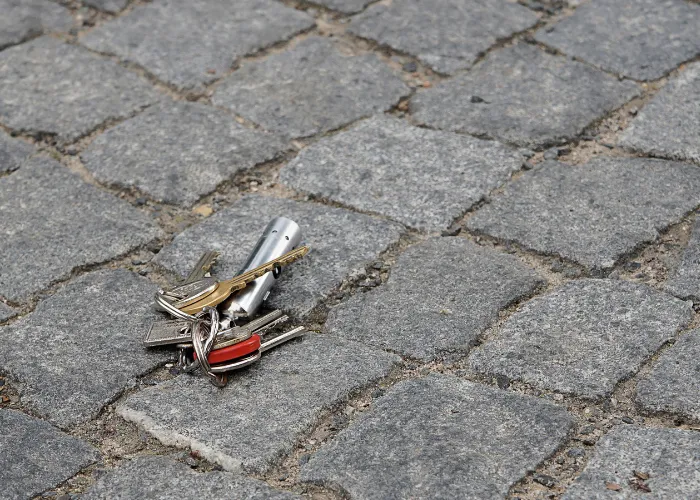
Losing a key feel like a minor annoyance, right up until you think through what could happen next. If a key goes missing near your home, has something identifying attached to it, or is stolen along with your belongings, there's no way to know who might end up with it. That's the real risk: not the lost key itself, but not knowing where it went.
How to Prevent It
If you can't track down a lost key, don't wait to act. Rekeying your locks takes that worry off the table, and if you use smart locks, it's a good idea to review and update your digital access as well. The goal is to make sure you're the one deciding who gets into your home, not a key you can no longer account for.
Package Theft and Porch Piracy
Online shopping has made life easier, and it's also opened the door to a new kind of theft. Packages left sitting on porches for hours are an easy target, especially when no one's home and there's no camera watching. It happens in neighborhoods across the country, and Delaware is no exception. A missing package might feel small compared to a break-in, but when it keeps happening, it adds up fast, in cost and in frustration.
How to Prevent It
A video doorbell or security camera near your entryway does double duty: it lets you see what's happening and it discourages theft in the first place. Scheduling deliveries for when you're home, using a secure package locker, or requiring a signature for higher-value items all help too. Small changes like these often make a real difference in protecting what's on your porch.
Vacation and Seasonal Property Vulnerabilities
Delaware's coast draws plenty of seasonal homeowners, especially around Rehoboth Beach, Lewes, Bethany Beach, and Fenwick Island. Owning a vacation property has real rewards, but an empty home comes with its own risks. When a house sits unoccupied for weeks or months, it can start to look like an easy target to thieves, vandals, or trespassers. Even small maintenance problems, a damaged lock, a door that doesn't close right, can go unnoticed for a long time if nobody's regularly checking in.
How to Prevent It
The best approach is layered: security cameras, smart locks, a monitored alarm system, scheduled check-ins, and lighting that runs on a timer all work together to reduce the risk and make the home look lived-in. The more consistently someone is keeping an eye on the property, the less likely problems are to slip through unnoticed.
Weak Garage Security
The garage is often the most overlooked part of a home's overall security. It's where people keep tools, lawn equipment, bikes, and vehicles, and in many homes, it also connects straight into the house through an interior door. Because it's used so often, it's easy to get a little lax about it: a door left open for convenience, an aging lock on the side entrance, the kind of small habits that quietly add up to risk.
How to Prevent It
Treat your garage the same way you'd treat your front door, as part of your home's security, not separate from it. Check the access doors regularly, keep the hardware in good shape, and keep valuables out of plain sight. If it's been a few years since you looked closely at your garage security, now's a good time to take another look.
Outdated Locks and Hardware
Not every security problem is dramatic. Sometimes it's just an old lock that's finally wearing out. Locks take a beating over years of daily use. Internal parts wear down, alignment shifts, corrosion sets in, and reliability drops off without anyone really noticing at first. Often, homeowners don't catch it until a lock starts sticking, or stops working altogether.
How to Prevent It
A regular inspection catches problems while they're still small. Watch for locks that are stiff to turn, hardware that's come loose, rust or corrosion, or keys that need extra force to work. Catching these early keeps your home more secure and saves you from getting locked out at the worst possible moment.
Overlooking Smart Home Security
Smart home devices have caught on fast with Delaware homeowners. Smart locks, video doorbells, connected cameras, and automated lighting all add convenience and give you more control over your home. But these tools work best as part of a bigger security plan, not as a stand-in for solid physical security. A strong lock still matters. A secure door still matters. And who has access to your systems still matters.
How to Prevent It
Give the technology protecting your home the same attention you'd give a lock. Use strong passwords, turn on multi-factor authentication where it's available, keep devices updated, and check every so often who still has access to your systems. The best smart home setups pair digital protection with strong physical security, not one instead of the other.
Poor Exterior Lighting
Lighting does more for home security than most people give it credit for. Dark entryways, side yards, garages, and walkways make it easy for suspicious activity to go unnoticed. Good lighting won't eliminate risk on its own, but it makes a property a much less appealing target for anyone looking for an easy opportunity.
How to Prevent It
Walk around your property after dark and notice which areas feel dimmer than they should. Adding motion-activated lights, lighting up walkways, and improving visibility near entrances can make a real difference. Better lighting tends to pay off in both safety and simple peace of mind.
Delaying Security Updates After Life Changes
Big life changes usually bring security changes along with them, even when that's not the first thing on anyone's mind. Moving, a new roommate, the end of a relationship, inheriting a property, or a tenant moving out, all of these can affect who should still have access to your home. Most people remember to update their address or their paperwork during these transitions. Access control is easy to forget.
How to Prevent It
Whenever something major changes at home, take a few minutes to review who has keys, alarm access, garage access, and smart lock permissions. A quick check like this helps make sure your home's security matches where you are now, not where you used to be.
Creating a Layered Security Strategy
The most secure homes don't lean on one single feature. They combine several layers of protection that work together. Strong locks control who gets in. Good lighting keeps things visible. Cameras add awareness. Smart technology brings convenience and oversight. Regular maintenance keeps all of it running the way it's supposed to. Put together, these layers create a far stronger defense than any single measure could offer on its own. Homeowners who take the time to periodically review their property's security tend to catch small problems before they become bigger ones.
Protecting What Matters Most
Most of the security risks Delaware homeowners face aren't the work of sophisticated criminals or major security failures. They come from everyday oversights, keys nobody's tracking anymore, locks that have outlived their usefulness, dim entryways, unchecked doors, or access that never got updated after a big life change. The good news: nearly all of it is preventable. By staying on top of who has access to your home, addressing small vulnerabilities before they grow, and taking a proactive approach overall, you can build a safer home for your family and a good deal more peace of mind for yourself. At the end of the day, good home security isn't about making your home hard to get into. It's about making sure access stays in the right hands.
Get in Touch with Alta Locksmithing Today!
Contact Us Today!
Book Now!