
How Coastal Weather Affects Lock & Door Hardware in Delaware
The Hidden Effects of Delaware's Coastal Climate
Most homeowners install a lock and never think about it again. But the connection between coastal weather and locks in Delaware tells a different story: the salt air, humidity swings, and seasonal temperature changes here wear down locks, keys, deadbolts, and hinges more than most people expect. As a Delaware locksmith, we see the results of that wear every season. Often, the first sign is a key that suddenly sticks, a deadbolt that fights back, or a door that just won't close right, long before anyone connects it to the weather outside. Whether you live in Delaware year-round or only visit your place near the coast a few months a year, knowing how the climate affects your hardware can save you from costly repairs, surprise lockouts, and hardware you didn't need to replace yet.
Sitting along the Atlantic Coast means Delaware homes and businesses deal with conditions that inland properties simply don't face higher humidity, salty air, temperature swings, strong winds, and near-constant moisture. None of that looks dangerous day to day, but it works on the metal parts inside your locks and doors little by little. Given enough time, even light exposure leads to corrosion, buildup, and wear that chip away at both security and everyday convenience. Homes right on the coastline usually feel it first and worst, though moisture and humidity affect locks well beyond the shoreline too.

Salt Air Can Accelerate Corrosion
Salt is the biggest threat outdoor hardware faces in coastal areas, and salt air corrosion on door hardware is one of the most common issues we're called out for. You don't have to live right on the beach to be affected. Airborne salt particles travel farther inland than most people realize and settle on metal surfaces, and once moisture mixes in, corrosion can set in faster than homeowners expect.
This often affects:
- Deadbolts
- Door handles
- Exterior hinges
- Lock cylinders
- Storm door hardware
- Garage door components
Corrosion rarely shows up overnight. More often, it creeps in slowly until one day the lock is stiff, discolored, or just won't turn like it used to.
Humidity Can Affect Lock Performance
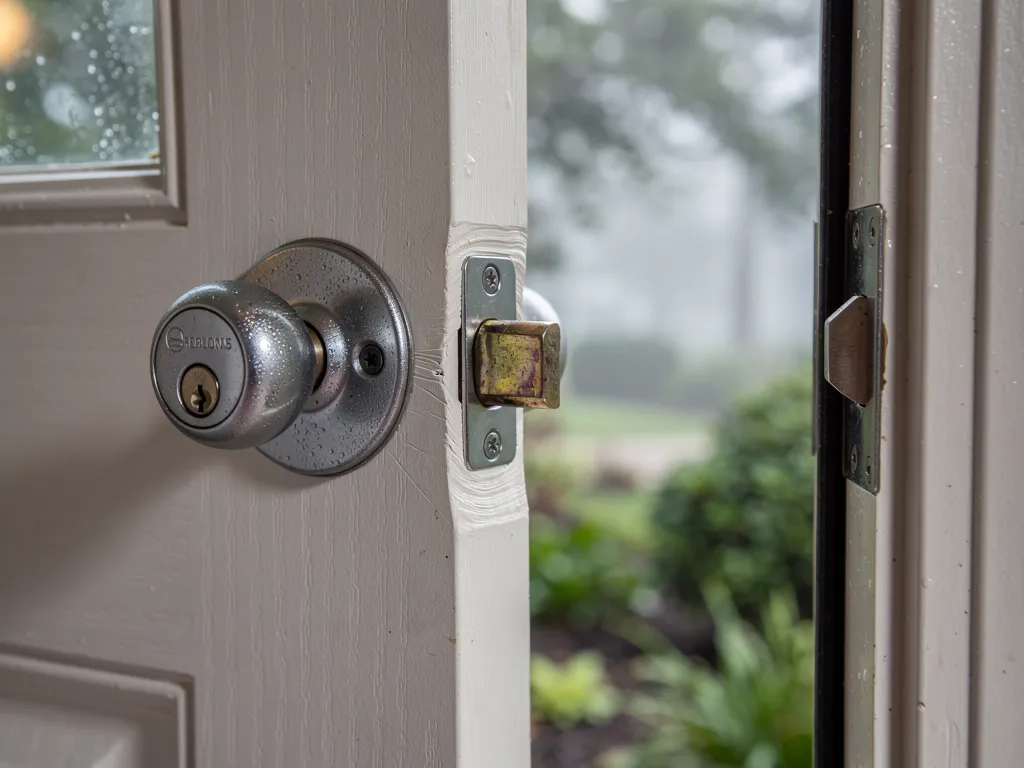
The humidity effects on locks are something Delaware homeowners rarely think about until they start causing problems. High moisture doesn't just affect metal hardware, it gets into wooden doors too, making them expand and contract as the seasons change. Once a door swells, its lock no longer lines up with the strike plate the way it should. That's when homeowners start noticing doors that are harder to close, deadbolts that need extra muscle to engage, or locks that feel stiff even though nothing seems wrong with the lock itself. Often the lock isn't actually the problem. The door and frame around it have simply shifted.
Seasonal Temperature Changes Can Impact Hardware
Delaware swings from hot, humid summers to cold winters, and materials naturally expand and contract with those temperature changes. Repeated over months and years, those cycles wear on door alignment, lock performance, and hardware reliability. It's not unusual for a door to work perfectly all summer, then suddenly get harder to lock once winter sets in. What looks like a lock problem is often just the door, frame, or surrounding structure shifting with the seasons. Regular inspections catch these changes early, before they turn into bigger problems.
Beach Properties Often Experience Faster Wear
Vacation homes and seasonal properties deal with a tougher combination of problems, which is why beach property lock maintenance looks a little different than it does inland. They get the full brunt of salt air and coastal weather, and on top of that, they often sit empty for weeks or months at a stretch. Small issues that would get caught right away in a lived-in home can go unnoticed for a long time. Locks that don't get used regularly tend to stiffen up, while corrosion and moisture quietly build up in the background. By the time the owners return for the season, what could have been a quick fix sometimes needs a professional instead. That's a big reason beach property owners tend to replace hardware more often than homeowners farther inland.
Why Lubrication Matters More Than You Think
Most lock problems start because routine maintenance gets skipped. Homeowners tend to assume locks are set-and-forget, but like any mechanical part, they work best when someone looks after them. Moisture, dirt, debris, and airborne contaminants work their way into the internal components over time. A little routine lubrication keeps cylinders turning smoothly and cuts down wear on the moving parts, just make sure to use a product made for locks, since general-purpose lubricants tend to attract dirt and cause buildup instead of preventing it. A few minutes of preventative care now can add years to your hardware's life.
The Importance of Inspecting Exterior Hardware
Locks rarely fail out of nowhere. Homeowners usually notice small changes well before anything actually breaks: a key that's harder to turn, a deadbolt that needs extra muscle, a handle that feels loose, or exterior hardware starting to show corrosion or discoloration. These are the warning signs worth paying attention to. Checking your exterior doors and hardware regularly can catch these issues before they turn into lockouts, security gaps, or a bigger bill than you wanted.
When Repair Makes Sense and When Replacement Is Better
Not every weather-related issue means you need new hardware. Sometimes cleaning, lubrication, adjustment, or a minor repair is all it takes to get things working right again. But once hardware has extensive corrosion, worn internal parts, or long-term deterioration, replacement usually makes more sense. Catching problems early gives you more options and keeps you out of emergency situations. For coastal properties especially, spending a bit more on quality weather-resistant hardware tends to pay off in performance and durability down the road.
Smart Locks and Coastal Weather
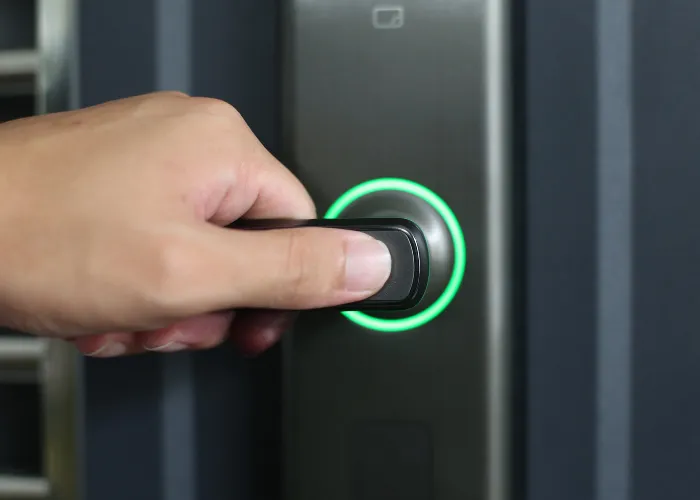
Smart locks have caught on across Delaware, but pairing smart locks with a coastal climate takes more thought than homeowners sometimes assume, since being electronic doesn't make a lock immune to the weather. It isn't. Smart locks are convenient, but the physical parts still face the same salt, moisture, humidity, and temperature swings as traditional locks, and skipping maintenance leaves that exterior hardware just as exposed. If you're running a smart lock system, it's worth checking the exterior components now and then to make sure both the electronics and the mechanical parts are still working the way they should.
Protecting Your Locks Year-Round
Staying proactive is the best defense against weather-related damage, and consistent door hardware maintenance in Delaware is what keeps small issues from turning into big ones. Cleaning exposed hardware, checking locks regularly, catching alignment issues early, and swapping out worn components before they fail, these simple habits add real years to your locks and doors. If you're near Delaware's coastline, that preventative maintenance matters even more given the constant exposure to moisture and salt air. Pay attention to the small changes and deal with them early, and you'll usually sidestep the bigger security headaches while protecting what you've invested in your home.
Final Thoughts
Delaware's coastal climate is genuinely tough on locks, keys, and door hardware. Salt air, humidity, seasonal temperature swings, and constant moisture all chip away at wear that eventually affects both security and performance. The good news is that most of it is preventable with routine maintenance and regular inspections. Whether you live there year-round, own a vacation home near the beach, or run a commercial property along the coast, knowing how the local weather affects your hardware helps you make smarter calls about maintenance and security. Cared for properly, quality locks and door hardware will protect your home reliably for years. Just remember that Delaware's weather doesn't stop at your roof and siding, it reaches your first line of defense too.
Get in Touch with Alta Locksmithing Today!
Contact Us Today!
Book Now!