
How Often Should Homeowners Rekey Their Locks in Delaware?
Protecting Your Home Starts with Knowing Who Has a Key
When Delaware homeowners think about protecting their property, alarms, cameras, motion lights, and smart locks usually come to mind first. One of the simplest safety precautions gets overlooked far too often which starts with knowing exactly who still holds a working key to your home. Many homeowners assume rekeying only matters after a lost key or a break-in. Rekeying deserves consideration any time you're not certain who might have a copy of your key. Whether you've just bought a home in Wilmington, inherited a property in Dover, own a seasonal beach house in Rehoboth Beach, or gone through a major life change, rekeying is a simple, proactive step toward protecting your family and belongings. This guide walks through how often Delaware homeowners should rekey their locks, the situations that call for it, and why security professionals treat it as a routine part of a solid home security routine.
What Does It Mean to Rekey a Lock?
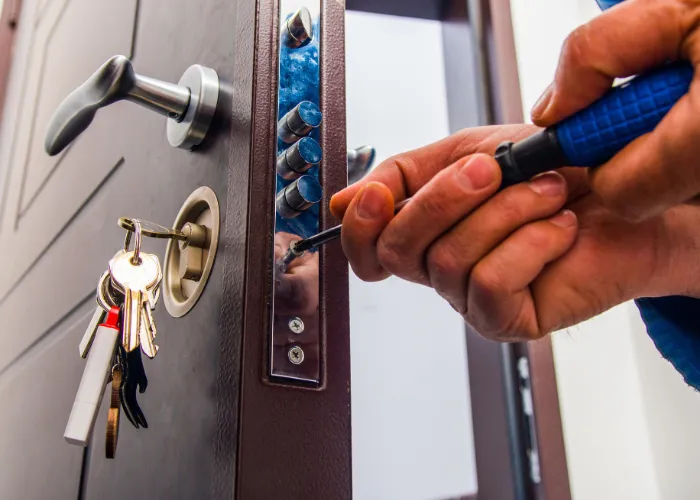
Rekeying means changing the internal pins inside a lock cylinder so old keys stop working. The lock itself stays right where it is on the door; only a new key will turn it. This is different from lock replacement, which involves swapping out the hardware entirely.
For homeowners, rekeying comes with several advantages:
- Maintains existing hardware
- Eliminates access from old keys
- Creates a new set of working keys
- Often costs less than replacing locks
- Allows multiple locks to be keyed alike when compatible
Rekeying isn't about making a lock stronger. It's about restoring key control, something security professionals rank among the most important pieces of physical security.
The Real Question Isn't "How Often"
Many homeowners ask: "Should I rekey every year?"
A better question to ask is:
"Do I know exactly who has a copy of my key?"
If you can't answer that with confidence on who exactly has a copy, rekeying is worth considering, no matter how long it's been since the locks were last serviced. Locks don't come with a maintenance schedule the way an HVAC system or a smoke detector does, but many people do not realize that. Rekeying makes sense whenever a change in ownership, occupancy, or access leaves you uncertain who can get in. In short, rekeying follows events, not a calendar.
Rekey Immediately After Purchasing a Home
If you've recently bought a home in Delaware, rekeying should be near the top of your move-in checklist. Sellers typically hand over every key they have, but there's rarely a reliable way to know how many copies were made over the years.
Previous key holders may include:
- Former homeowners
- Family members
- Neighbors
- House cleaners
- Dog walkers
- Contractors
- Realtors
- Property managers
- Maintenance technicians
Even when everyone involved acted responsibly, there's simply no way to confirm where every copy ended up. Rekeying gives you a clean slate, so only you and your household hold the keys to your own home.
Delaware Insight
Many homes throughout Delaware have changed hands several times, especially in established neighborhoods around Wilmington, Newark, Middletown, and Dover. Each ownership change adds another chance that a duplicate key exists somewhere outside the current homeowner's control. It's important that it gets rekeyed before any worries of damage or stolen items happen. It's always better to be cautious rather than have it be too late.
After Losing a Key
A lost key is one of the clearest reasons to rekey. Not every lost key creates an immediate threat, but the risk climbs quickly if:
- The key was attached to identification
- The key was lost near your home
- The key was stolen during a theft
- The key ring contained address information
- You have no idea where the key disappeared
It's easy to assume a missing key is "probably gone for good" and let it go. The real issue is that you simply don't know. Once a key's location becomes a mystery, you lose track of who might be able to get into your property. Rekeying hands that control back to you and can ease any worries.
After a Break-In or Attempted Break-In
After a burglary or attempted burglary, most homeowners focus on repairing the physical damage first. Security professionals also recommend taking a close look at every entry point and lock. Even if an intruder came in through a window, there's no way to know for certain whether keys were found, copied, or taken during the incident. Rekeying after a break-in offers real peace of mind and gives you a fresh, known baseline for who can access your home.
When Someone Moves Out
A change in who lives in your home is one of the most easily overlooked reasons to rekey.
Consider rekeying after:
- A roommate moves out
- A tenant vacates a property
- A long-term guest leaves
- A caregiver relationship ends
- A divorce or separation occurs
None of this is about distrust. It's simply about keeping access to your property matched to who actually lives there. Keys handed out years earlier are easy to forget about. Rekeying clears up that uncertainty and keeps access in line with your current household.
After Major Home Renovations
Delaware homeowners frequently take on remodeling projects, especially in growing communities where home values continue to rise.
During renovations, homeowners often hand out temporary access to:
- General contractors
- Electricians
- Plumbers
- Painters
- Landscapers
- Flooring installers
- Cleaning crews
Most of these professionals are trustworthy and return their keys promptly. Still, every extra key in circulation adds a bit more exposure. Once the project wraps up, rekeying is a straightforward way to take back full control of who can get into your home.
Delaware's Unique Security Considerations
Delaware's housing patterns aren't quite like every other state's. Between permanent residences, rentals, vacation homes, and coastal properties, Delaware homeowners tend to see more access changes than the average household.
Beach Homes and Seasonal Properties
Properties near:
- Rehoboth Beach
- Lewes
- Bethany Beach
- Fenwick Island
tend to see frequent turnover.
Many seasonal homeowners hand out access to:
- Property managers
- Housekeepers
- Maintenance personnel
- Vacation guests
- Rental companies
Over the years, the number of active keys floating around can become genuinely hard to track. For coastal homeowners, rekeying every so often is a practical way to regain control and cut down on long-term risk.
Rental and College-Area Properties
Areas near Newark and other student-heavy communities tend to see more tenant turnover than most. Property owners who regularly welcome new occupants often benefit from rekeying between tenants, so previous renters no longer have a working key. Keeping key ownership clear is simply good practice, both for security and for limiting liability.
The Rise of Smart Locks
Plenty of Delaware homeowners are switching to smart locks and keyless entry systems. These systems add real convenience, but they don't always remove the need for rekeying. Many smart locks still include a traditional key cylinder as a backup entry method. If physical keys were ever lost, duplicated, or passed along to previous occupants, rekeying can still matter even after you've updated the digital codes.
Rekeying vs. Replacing Locks
It's tempting to assume replacing your locks is always the safer bet. That's not always true.
Rekeying tends to be the right call when:
- Existing locks function properly
- Hardware is in good condition
- Security concerns relate to old keys
- Homeowners want to keep their existing door hardware
Lock replacement may make more sense when:
- Locks are damaged
- Hardware is severely worn
- Security technology needs upgrading
- Smart locks are being installed
- Keys frequently stick or bind
For many Delaware homes, rekeying strikes a practical balance between security and cost.
A Simple Key Control Test
Ask yourself these questions:
✅ Do I know exactly who has copies of my house keys?
✅ Have all former occupants returned their keys?
✅ Have contractors completed their work?
✅ Have I replaced or rekeyed locks since purchasing the home?
✅ Have any keys been lost, stolen, or misplaced?
If you answered "no" to any of these, it's worth considering a rekey.
Signs You're Waiting Too Long
Homeowners often put off rekeying because nothing seems wrong yet. But access-control problems rarely show themselves until something actually happens. In this guide we are trying to prevent that from happening to you. Its better now than to wait until its too late.
Common warning signs include:
- Multiple unidentified spare keys
- Previous owners still living nearby
- Frequent guest or contractor access
- Untracked rental property occupancy
- Missing keys
- Significant household changes
The more uncertainty piles up, the more your security slips.
The Bottom Line
There's no universal rule that says Delaware homeowners must rekey every year or every few years. Rekey whenever your control over your keys has been compromised or simply feels uncertain. Moving into a new house, losing a key, wrapping up a renovation, changing tenants, going through a household transition, or managing a seasonal property are all good reasons to consider it. Even the best security system can't make up for an unknown copy of your front-door key floating around somewhere. Make rekeying part of your home security routine, and you can be confident that access to your property stays exactly where it belongs: in your hands.
Frequently Asked Questions
How often should I rekey my locks in Delaware?
There's no fixed schedule to follow. Rekeying is about events, not the calendar, so it makes sense any time you're not sure who might still have a key: after buying a home, losing a key, a break-in, a tenant or roommate moving out, or finishing a renovation.
What's the difference between rekeying and replacing a lock?
Rekeying changes the internal pins in your existing lock cylinder so old keys stop working, while the hardware itself stays in place. Replacing a lock swaps out the entire unit. Rekeying is usually the more affordable option when your existing locks are in good condition.
Do I need to rekey if I have smart locks?
Possibly, yes. Many smart locks still include a traditional key cylinder as a backup. If a physical key was ever lost, copied, or handed to a previous occupant, rekeying can still matter even after you've changed the digital access codes.
Should I rekey after buying a home in Delaware?
Yes. Sellers typically hand over the keys they have, but there's rarely a reliable way to know how many copies exist or who has held one over the years, especially in established neighborhoods around Wilmington, Newark, Middletown, and Dover. Rekeying gives you a clean slate.
Is rekeying worth it for a seasonal beach property?
Yes. Homes near Rehoboth Beach, Lewes, Bethany Beach, and Fenwick Island tend to see frequent turnover among property managers, housekeepers, and rental guests. Rekeying periodically helps you keep track of who can actually get inside.
Get in Touch with Alta Locksmithing Today!
Contact Us Today!
Book Now!